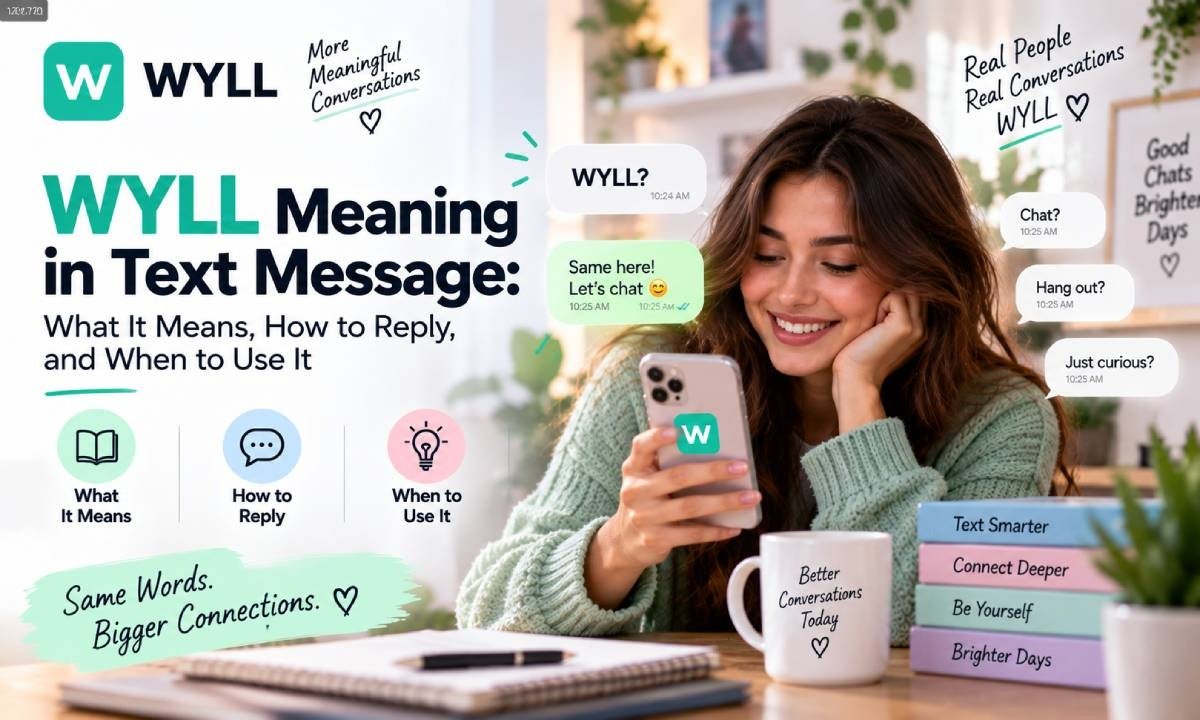
Ever gotten a text that just says “WYLL” and stared at your screen in confusion? You’re not alone. This short abbreviation pops up everywhere in modern texting, especially among younger users on Snapchat and TikTok.
Understanding internet slang can feel like learning a whole new language. New terms show up daily, and knowing what they mean helps you stay connected with friends. WYLL is one of those quick, casual terms worth knowing.
This guide breaks down exactly what WYLL means, how to use it, and how to reply when someone sends it to you. We’ll also cover safety tips and similar slang terms you might see.
WYLL Meaning in Text Message (Quick Answer)
- WYLL stands for “What You Look Like” in most texting conversations. It’s a fast way to ask someone about their appearance.
- The abbreviation started gaining traction on Snapchat and quickly spread to other apps. Today it’s used across nearly every major messaging platform.
- People use WYLL mostly with new online friends or matches. It rarely appears between people who already know each other in person.
- The tone behind WYLL is almost always casual, not formal. It fits naturally into relaxed, everyday text exchanges.
- WYLL usually appears early in a conversation, not later on. That’s because looks are often one of the first curiosities people have.
- Some people type it in lowercase as “wyll” for a more casual feel. Capitalization doesn’t change the meaning in any way.
- It can be sent as a standalone message or added to a longer text. Both usages carry the same basic meaning.
- WYLL is not considered offensive slang by most texters. It’s treated as a normal, everyday question in digital conversations.
- The term works well in both flirty and purely friendly contexts. The relationship between the two texters usually decides the tone.
- Younger generations use WYLL far more often than older texters. It’s closely tied to fast-paced Gen Z messaging habits.
- WYLL doesn’t require a photo in response to be considered a valid reply. A simple description in words works just as well.
- Some texters use WYLL as an icebreaker after matching on dating apps. It helps move the conversation toward a more personal level.
- The abbreviation can also appear in comment sections, not just private chats. Public and private usage carry the same core meaning.
- WYLL is rarely used in professional or workplace messaging. It stays firmly within casual, personal conversations.
- Context clues around the message usually confirm the intended meaning. Reading the full conversation removes most confusion.
- The phrase can be answered honestly, jokingly, or not at all. There’s no single correct way to respond to it.
- WYLL sometimes gets typed as “wyl” by mistake or for speed. Both versions are generally understood the same way.
- It differs from asking for a name or age, which are separate questions. WYLL focuses specifically on physical appearance.
- The question can be asked by anyone, regardless of gender. It’s not limited to one type of conversation or dynamic.
- WYLL has become common enough to appear in slang dictionaries online. That popularity confirms its widespread everyday use.
- It’s often grouped together with other quick texting abbreviations. WYA and WYD frequently appear in the same conversations.
- The meaning stays consistent whether typed in a message or a comment. Only the platform changes, not the definition itself.
- Knowing this meaning helps you reply confidently instead of guessing. It removes the awkward pause of not understanding a text.
WYLL at a Glance
- WYLL is short, quick, and easy to type during busy conversations. Its brevity is a big reason for its popularity.
- The term feels casual rather than formal or serious. That tone makes it approachable for almost any chat.
- Visual platforms like Snapchat and TikTok use it most often. Appearance naturally matters more on photo and video apps.
- Dating culture has adopted WYLL as an early screening question. It often comes up before a first date is even suggested.
- Plain curiosity drives a large share of WYLL messages. Not every instance has a romantic or hidden motive.
- The abbreviation saves valuable time during fast text exchanges. Four letters replace an entire sentence effortlessly.
- It works equally well in one-on-one chats and group messages. Group chats often use it to introduce new members.
- WYLL carries almost no formal or professional connotation. You won’t see it in business or academic messaging.
- The phrase adapts easily to different relationship stages. Strangers, new friends, and matches all use it similarly.
- Its casual tone makes replying feel low-pressure for most people. There’s rarely an expectation of an instant, detailed answer.
- WYLL is understood across most English-speaking online communities. Regional differences in meaning are minimal.
- The term spreads mainly through peer-to-peer texting habits. Friends teach friends, keeping the slang alive naturally.
- It often triggers a follow-up photo or selfie exchange. That exchange usually happens only when both sides feel comfortable.
- WYLL rarely needs explanation once you’ve seen it once or twice. The meaning sticks quickly after the first encounter.
- It fits seamlessly into emoji-filled, casual conversations. Adding a laughing or curious emoji is extremely common.
- The phrase works well as an opener or mid-conversation question. Timing depends entirely on natural conversational flow.
- WYLL doesn’t require any special app features to use. It works in plain text just as well as in DMs.
- Its popularity has stayed consistent rather than fading quickly. Many texting slang terms disappear, but this one has held on.
- The abbreviation crosses over well between different social apps. You’ll see the same meaning on Snapchat, Instagram, and Discord.
- It reflects a broader trend of shortening everyday texting phrases. Efficiency drives most modern digital slang creation.
- WYLL can be answered with words, photos, or playful deflection. Flexibility is part of why it remains so widely used.
- The term rarely causes serious misunderstandings once explained. Its meaning is fairly narrow and specific.
- Recognizing WYLL instantly helps conversations flow more smoothly. It removes hesitation when replying to a new contact.
How WYLL Is Used in Different Contexts
- On Snapchat, WYLL often appears right after adding a new contact. It usually leads to a quick selfie exchange between users.
- TikTok commenters send WYLL to creators after enjoying a video. It reflects curiosity about the person behind the content.
- Instagram DMs use WYLL similarly, especially after a new follow. Story replies sometimes include the abbreviation as well.
- Discord server members ask WYLL to connect beyond just gaming or chatting. It helps put a real face to a familiar username.
- Reddit threads use WYLL less frequently than visual apps do. It mostly appears in dating or advice-focused subreddits.
- Dating apps rely on WYLL heavily during early matches. Physical attraction often plays a bigger role in these chats.
- Online gamers use WYLL after bonding over multiple matches together. It signals a desire to connect outside the game itself.
- Group chats sometimes use WYLL to introduce a new member quickly. Everyone gets curious about the newest addition at once.
- Long-distance friendships often include WYLL early in the relationship. It helps two people feel more personally connected.
- Anonymous chat apps see frequent WYLL usage between strangers. Identity curiosity is naturally higher when no names are shared.
- Voice chat platforms sometimes shift into WYLL once texting starts. Users want to match a face to a voice they’ve heard.
- Online forums dedicated to friendship-building use WYLL casually. It’s treated as a normal step in getting to know someone.
- Livestream chats occasionally include WYLL directed at the streamer. Viewers often ask this alongside other personal questions.
- School or college group chats use WYLL among new classmates. It helps students recognize each other before meeting in person.
- Pen pal style messaging apps use WYLL to build early rapport. It’s one of the first personal questions asked.
- Twitter and X direct messages occasionally feature WYLL as well. It functions the same way it does on other platforms.
- Roleplay or fandom communities sometimes use WYLL playfully. The tone there can be more lighthearted than literal.
- Customer-to-customer marketplace chats rarely use WYLL at all. It stays confined mostly to social and casual conversations.
- Video game clans often ask WYLL after regular team play sessions. It’s a natural next step once trust has been built.
- Online dating forums discuss WYLL as a common early-chat question. Advice threads often explain how to respond to it comfortably.
- Language exchange apps sometimes use WYLL between practice partners. It adds a personal touch to language learning conversations.
- Fan meetup planning chats occasionally include WYLL before events. Attendees want to recognize each other in person.
- Across every platform, the core meaning of WYLL stays the same. Only the surrounding context slightly shifts the tone.
Conversation Examples
- “We’ve been talking for a week now, wyll?” “Lol I can send a pic if you want.”
- “Hey wyll? Just curious since we matched yesterday.” “Sure, give me a sec to find a good photo.”
- “This is random but wyll??” “Haha fair question, one sec.”
- “You seem cool, wyll tho?” “I’ll trade you a selfie for one of yours.”
- “Wyll fr? I’ve only seen your profile pic.” “That’s actually a pretty recent photo of me.”
- “Ngl wyll, kinda curious after that voice call.” “I can send one after dinner, promise.”
- “Lowkey wyll? You have a nice personality.” “Aw thanks, I’ll send a pic in a bit.”
- “Wyll though? Just wanna picture who I’m texting.” “Totally fair, give me a minute.”
- “Random question but wyll?” “Not random at all, here you go.”
- “Wyll?? We’ve talked every day this week.” “True, I probably should’ve sent one earlier.”
- “Okay but wyll, I’m curious now.” “I’ll send one once I’m not in pajamas.”
- “Wyll? Asking for a friend lol.” “Sure your friend can see this pic too.”
- “We vibe so well, wyll?” “Aw stop, okay fine here’s a picture.”
- “Wyll? You never sent a full body pic.” “I usually keep it to face pics only.”
- “Been wondering wyll this whole chat.” “Honestly, I was wondering the same about you.”
- “Wyll fr fr, not just being nosy.” “Ha, I believe you, here’s a recent one.”
- “Quick question, wyll?” “Quick answer, here’s a picture.”
- “Wyll? You sound cute over voice chat.” “Thanks, hopefully the picture matches up.”
- “Not to be weird but wyll?” “Not weird at all, totally normal question.”
- “Wyll? I feel like I know you already.” “Same here honestly, let me send a pic.”
- “So wyll? Been curious since we started talking.” “Understandable, give me one second.”
- “Wyll or is that too forward lol.” “Not forward at all, here’s mine.”
- “Last question I swear, wyll?” “Ha it’s fine, here you go.”
How to Respond to WYLL
- Answer honestly if you feel safe and comfortable doing so. Trust plays the biggest role in how you should respond.
- Share a simple description if you’d rather not send a photo. Words work just as well as images in many cases.
- Redirect the question if you’re not ready to answer yet. Changing the topic naturally is a completely valid choice.
- Use humor to lighten the moment if you want to deflect. Funny replies often keep the mood relaxed and friendly.
- Ask why they’re curious before deciding how to respond. This can reveal their intentions more clearly.
- Take your time before replying if you need to think it over. There’s no rule requiring an instant response.
- Send an older or less personal photo if you’re unsure. This keeps some privacy while still answering the question.
- Set a boundary politely if the question feels too soon. Most people will respect a clearly stated boundary.
- Match their energy if the conversation feels playful overall. A light, joking reply often fits best in that tone.
- Ask for their photo first if you want to feel more comfortable. Mutual sharing can balance out the exchange.
- Keep your answer vague if you’re still building trust. General descriptions work well in early conversations.
- Change the subject smoothly if you’d rather avoid the topic. A natural pivot rarely feels rude or awkward.
- Explain your comfort level directly if needed. Honesty about boundaries is always a reasonable approach.
- Use emojis to soften a playful non-answer. They help keep the tone light and non-confrontational.
- Wait until you know the person better before sharing photos. There’s no deadline for answering this kind of question.
- Offer a compliment instead of a direct description sometimes. It keeps things fun without giving away too much.
- Be firm but kind if you decide not to answer at all. Clarity prevents any confusion about your intentions.
- Turn the question back on them if you’re curious too. “You first” is a common and fair response.
- Keep the reply short if you’re busy or not in the mood. A brief acknowledgment is always acceptable.
- Trust your gut feeling about the person asking. Instincts are usually a reliable guide in these situations.
- Remember that silence is also a valid response. Ignoring the question doesn’t require justification.
- Stay consistent with how you usually handle personal questions. Your comfort level should guide every reply you give.
- Revisit the question later if you change your mind. You can always answer once trust has grown further.
Common Places You’ll See WYLL
- Snapchat conversations frequently include WYLL between new contacts. It’s one of the most common spots to encounter the term.
- TikTok comment sections often feature WYLL directed at creators. Viewers use it to express curiosity about the video’s author.
- Instagram direct messages regularly include this abbreviation. It appears most after following someone new online.
- Discord servers built around gaming or shared hobbies use it often. Members ask it after chatting for a while.
- Dating app conversations use WYLL as an early, common question. It usually appears within the first several exchanges.
- Group chats formed through mutual friends often include WYLL. New members get asked this fairly quickly.
- Online multiplayer games see it in post-match chat windows. Teammates use it to connect beyond the game session.
- Reddit private messages occasionally feature the abbreviation. It’s more common in advice or dating-focused communities.
- Anonymous messaging apps show frequent WYLL usage. Curiosity is naturally higher without visible identities.
- Voice chat apps that include text features use it too. Users often type it after a friendly voice conversation.
- Twitter and X replies or DMs sometimes include the term. It works the same way it does on other platforms.
- School and college group chats use WYLL among classmates. It helps students recognize each other early on.
- Fan communities and fandom chats use it in a lighter tone. The context there is often more playful than literal.
- Livestream chat boxes occasionally direct WYLL at streamers. Viewers ask it alongside other casual personal questions.
- Online forums centered on friendship-building use it regularly. It’s treated as a normal early conversation step.
- Pen pal or language exchange apps include WYLL as well. It adds a personal element to practice conversations.
- Text message threads between newly met contacts use it often. It usually appears once trust starts to build.
- Comment sections under public photos sometimes feature it too. Strangers ask it directly in the comments themselves.
- Roleplay and creative writing chats use it in character contexts. The meaning shifts slightly depending on the story setting.
- Online dating forums discuss WYLL frequently in advice threads. Users share tips on how to respond comfortably.
- Meetup and event planning chats use it before in-person gatherings. Attendees want to recognize each other beforehand.
- Customer service or business chats almost never use this term. It stays limited to casual, personal conversations.
- Wherever casual, personal texting happens, WYLL tends to appear. Its presence spans nearly every modern messaging platform.
Other Meanings of WYLL
- “Will You Love Life” is a less common alternative meaning. It appears more in reflective or philosophical conversations.
- Some small online communities use WYLL as a personal inside joke. The meaning in these cases is understood only by the group.
- A few gaming clans have used WYLL as a shortened team name. This usage has nothing to do with appearance or texting slang.
- Certain forums use WYLL loosely to mean “Would You Like Lunch.” This meaning is rare and mostly limited to specific groups.
- Some texters treat WYLL as a playful nickname rather than a question. Context always clarifies which meaning is intended.
- A handful of online quizzes have used WYLL as a themed abbreviation. These uses are unrelated to everyday texting slang.
- Music and lyric communities occasionally repurpose WYLL creatively. The letters get reinterpreted to fit a song or lyric theme.
- Some usernames or handles include WYLL without any slang meaning. In these cases, it’s simply part of a chosen online identity.
- Niche hobby groups sometimes assign their own meaning to WYLL. These definitions rarely spread beyond that specific community.
- A small number of texters use WYLL sarcastically as a joke phrase. The tone here is intentionally exaggerated or ironic.
- Some fictional or fan-created content uses WYLL as character dialogue. This usage stays confined to storytelling contexts.
- Certain regional slang variations may attach a slightly different meaning. These differences are uncommon but do occasionally appear.
- A few online challenges have used WYLL as a hashtag abbreviation. The meaning there ties directly to the specific challenge theme.
- Some texters shorten longer phrases into WYLL purely by coincidence. These overlaps are unrelated to the popular slang meaning.
- Certain private group chats redefine WYLL for internal jokes. Outsiders typically wouldn’t recognize this alternate meaning.
- A few brands have playfully used WYLL in marketing campaigns. These uses borrow the term’s popularity for attention.
- Some older internet forums used WYLL before its current slang meaning formed. Definitions have shifted significantly over time.
- Certain trivia or word games include WYLL as a random abbreviation. The meaning there is purely functional, not conversational.
- A few creative writers use WYLL as a stylized character name. This is unrelated to any texting definition.
- Some non-English speaking communities may use WYLL differently. Translation and local slang can shift its intended meaning.
- A small number of businesses have used WYLL as an acronym internally. These meanings are specific to that organization only.
- Certain puzzle or riddle communities repurpose WYLL for wordplay. The letters get reinterpreted creatively for these purposes.
- Despite these alternates, “What You Look Like” remains the dominant meaning. Most texters will assume this definition by default.
WYLL Compared With Similar Slang
- WYA means “Where You At,” focusing on location instead of looks. It’s often used to check in on someone’s whereabouts.
- WYD means “What You Doing,” asking about someone’s current activity. It’s one of the most common casual check-in texts.
- HMU means “Hit Me Up,” inviting someone to reach out later. It’s less about appearance and more about future contact.
- WYLL specifically targets appearance, unlike most similar abbreviations. That narrow focus sets it apart from broader check-in slang.
- TBH means “To Be Honest,” often used before sharing an opinion. It doesn’t relate to appearance or curiosity questions at all.
- IDK means “I Don’t Know,” expressing uncertainty in a reply. It’s a response type rather than a question like WYLL.
- NVM means “Never Mind,” used to drop a topic quickly. It’s sometimes used after asking something like WYLL.
- LMK means “Let Me Know,” requesting an update or decision. It’s more open-ended than the specific ask behind WYLL.
- FR means “For Real,” emphasizing sincerity in a statement. It’s often paired with WYLL for extra emphasis.
- SMH means “Shaking My Head,” expressing mild disapproval or disbelief. It carries a very different tone than a curious WYLL text.
- WYWH means “Wish You Were Here,” typically used while traveling. It expresses longing rather than curiosity about looks.
- BRB means “Be Right Back,” signaling a short pause in chatting. It has no connection to appearance-related questions.
- GTG means “Got To Go,” used to end a conversation quickly. It’s unrelated to the curiosity behind WYLL.
- ASL, an older slang term, asked for “Age, Sex, Location” together. WYLL is more specific, focusing only on appearance.
- OOMF means “One Of My Followers,” referencing someone on social media. It’s a label rather than a direct question like WYLL.
- TYSM means “Thank You So Much,” expressing gratitude in a message. It shares no functional overlap with WYLL’s purpose.
- IRL means “In Real Life,” distinguishing online from offline identity. It often comes up in the same conversations as WYLL.
- DM means “Direct Message,” referring to a private chat itself. WYLL is often something people ask within a DM.
- TMI means “Too Much Information,” used when someone overshares. It can follow an overly detailed answer to a WYLL question.
- YKTV means “You Know The Vibe,” implying mutual understanding. It’s more about tone than a direct appearance question.
- NGL means “Not Gonna Lie,” used before an honest statement. It’s frequently paired with WYLL for extra honesty emphasis.
- NP means “No Problem,” a simple, polite acknowledgment. It could follow someone answering a WYLL question kindly.
- Compared to all these terms, WYLL remains uniquely appearance-focused. That specificity is what makes it instantly recognizable.
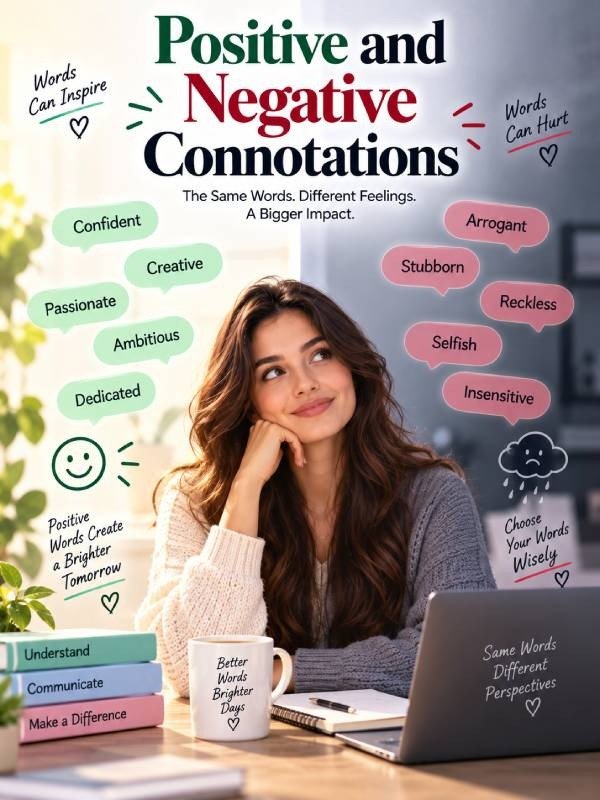
Positive and Negative Connotations
- Friendly curiosity is the most common positive reason behind WYLL. Most senders simply want to know who they’re talking to.
- It can feel flattering when someone shows genuine interest this way. Being asked often signals real engagement in the conversation.
- WYLL can strengthen a growing online friendship when used respectfully. It adds a more personal layer to digital communication.
- A light, playful tone usually keeps the question feeling harmless. Most conversations stay comfortable and casual throughout.
- It can lead to positive, confidence-building exchanges between users. Sharing a photo can feel validating in the right context.
- Repeated or pushy WYLL messages can feel uncomfortable quickly. Persistence without consent crosses into negative territory.
- Strangers asking too soon can create a sense of unease. Timing plays a big role in how the question lands.
- Some people use WYLL manipulatively to pressure quick photo sharing. This behavior should always be treated as a red flag.
- A negative tone can emerge if the question feels demanding. Genuine curiosity rarely comes across as forceful.
- Ignoring the question is a perfectly acceptable negative-leaning response. It signals discomfort without requiring further explanation.
- Positive connotations usually come from established, trusted relationships. Familiarity naturally reduces any sense of pressure.
- Negative situations often involve unknown or newly added contacts. Caution is generally wise with unfamiliar senders.
- A respectful response to “no” keeps the interaction positive overall. How someone reacts to refusal reveals their true intentions.
- Persistent follow-up questions after a decline signal a negative pattern. This behavior should not be ignored or excused.
- Compliment-based follow-ups often keep the tone positive and light. Kindness after an answer reinforces a healthy exchange.
- Demanding immediate photos turns a casual question into pressure. That shift changes the entire tone of the conversation.
- Genuine friendships treat WYLL as harmless small talk. The context of the relationship shapes the entire experience.
- Suspicious or overly eager senders raise valid safety concerns. Trusting your instincts helps identify these situations early.
- A well-timed WYLL question can deepen mutual trust naturally. It shows interest without demanding an immediate answer.
- Negative experiences often stem from ignoring early warning signs. Paying attention to tone and pacing helps avoid discomfort.
- Positive exchanges typically involve mutual sharing, not one-sided requests. Balance is a strong sign of a healthy conversation.
- A single unanswered WYLL rarely damages a genuine friendship. Respectful people understand and accept a lack of response.
- Overall, tone and intent decide whether WYLL feels positive or negative. The words themselves are neutral until context shapes them.
Common Mistakes People Make
- Assuming WYLL is automatically rude is a common misunderstanding. Most senders ask out of simple, harmless curiosity.
- Sharing private details like your address is a serious mistake. Appearance questions never require revealing sensitive information.
- Confusing WYLL with a similarly spelled abbreviation happens often. Double-checking the letters prevents an off-topic reply.
- Overreacting to a first-time WYLL question can end a conversation early. A calm response usually works better than immediate suspicion.
- Sending unnecessary personal photos beyond what’s asked is risky. Stick closely to what’s actually being requested.
- Ignoring the sender’s tone before replying leads to misjudged responses. Context clues often reveal the real intent behind the question.
- Feeling pressured to answer immediately is a common but avoidable mistake. Taking time to respond is always a reasonable option.
- Assuming everyone means the same thing by WYLL causes confusion. Alternate meanings, though rare, do occasionally exist.
- Sharing someone else’s photo instead of your own creates trust issues. Honesty matters even in casual texting exchanges.
- Treating every WYLL as flirtation misreads many genuine friendships. Not every instance carries a romantic undertone.
- Failing to set a boundary early can lead to repeated pressure later. Clear communication prevents ongoing discomfort.
- Replying with excessive detail when a short answer would suffice. Simplicity usually keeps the conversation balanced.
- Assuming silence will always be understood as a clear answer. A short explanation sometimes prevents confusion later.
- Comparing WYLL directly to more serious personal questions unfairly. Its scope is intentionally narrow and appearance-focused.
- Using WYLL inappropriately in formal or professional settings. This slang belongs strictly in casual conversations.
- Assuming the question requires an immediate photo response. A written description is always an acceptable alternative.
- Not recognizing manipulative patterns disguised as casual curiosity. Repeated pressure after refusal is a clear warning sign.
- Overthinking a simple, harmless question from a trusted friend. Familiar relationships rarely carry hidden motives.
- Forgetting that tone in text can be easily misread. Adding a friendly emoji can help clarify intent.
- Assuming WYLL always leads somewhere romantic or serious. Plenty of exchanges stay purely friendly and casual.
- Mixing up WYLL with WYD or WYA during quick conversations. Each abbreviation carries a distinctly different meaning.
- Sending blurry or unclear photos to avoid the question altogether. A polite decline works better than a confusing non-answer.
- Not trusting your own comfort level when deciding how to respond. Your instincts are the most reliable guide in these moments.
Internet Safety Tips When Someone Says WYLL
- Never feel pressured to share photos before you’re ready. Your comfort should always come before someone else’s curiosity.
- Avoid sending identifying details like your school or workplace. Keep early conversations general until trust is established.
- Trust your instincts if a conversation feels rushed or intense. Genuine connections rarely require immediate personal information.
- Verify the person’s identity before sharing anything personal. Reverse image searches can help confirm profile authenticity.
- Keep conversations within the platform until trust is built. Avoid moving to private apps too quickly with strangers.
- Watch for pressure tactics following a polite refusal. Respectful people accept “no” without pushing further.
- Avoid sharing photos that reveal your exact location. Background details can unintentionally expose personal information.
- Report accounts that repeatedly pressure you after declining. Most platforms have built-in tools for this exact situation.
- Talk to a trusted friend if a conversation feels uncomfortable. A second opinion often clarifies confusing situations.
- Limit how much personal information you share early on. Slow, gradual sharing is always the safer approach.
- Block or mute contacts who make you feel unsafe. Your peace of mind matters more than politeness online.
- Avoid meeting in person before verifying someone’s identity thoroughly. Public meeting spots are always safer for first meetings.
- Be cautious with strangers who ask WYLL immediately after matching. Genuine curiosity usually builds gradually, not instantly.
- Keep privacy settings updated on all your social media accounts. This limits how much strangers can see without asking.
- Never share financial or account information during casual chats. Appearance questions should never lead into these topics.
- Recognize that persistence after refusal is a major warning sign. Respectful communication never involves repeated pressure.
- Use platform-specific safety features like restricted or limited accounts. These tools reduce unwanted contact from strangers.
- Avoid sharing photos with visible personal documents in the background. Small details can carry more risk than expected.
- Take screenshots of concerning messages before blocking someone. This documentation can help if you need to report later.
- Remember that minors should be especially cautious with these questions. Parents and guardians should stay involved in online safety conversations.
- Discuss online safety openly with younger family members regularly. Clear guidance helps them recognize risky situations early.
- Trust official safety resources over informal online advice alone. Platform help centers offer reliable, updated safety guidance.
- Prioritize your comfort and safety over satisfying someone else’s curiosity. No online conversation is worth compromising your personal safety.
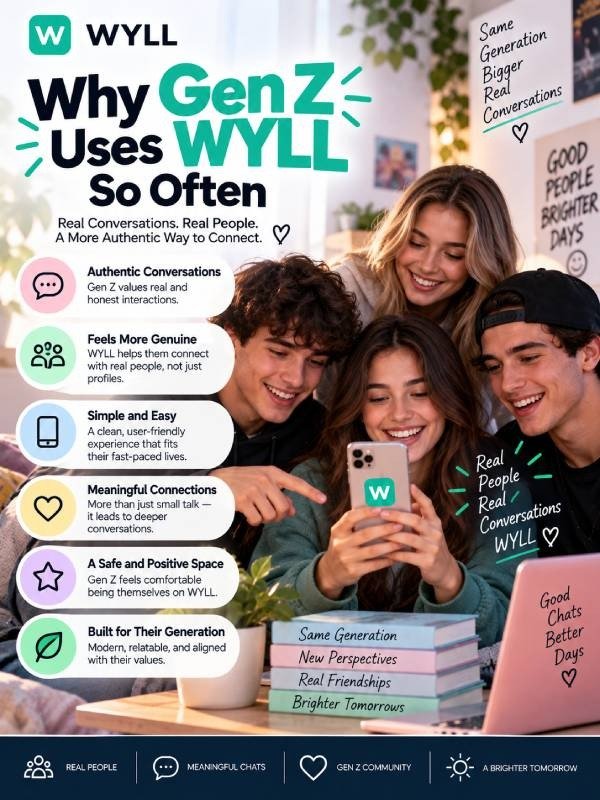
Why Gen Z Uses WYLL So Often
- Gen Z grew up texting in shorthand from a very young age. Abbreviations like WYLL feel completely natural to this generation.
- Fast-paced digital communication favors short, efficient phrases. Typing full sentences often feels unnecessarily slow.
- Visual platforms dominate Gen Z’s daily social media habits. Appearance-related questions fit naturally into that environment.
- Group chats move quickly, rewarding shorter, quicker messages. WYLL keeps conversations flowing without unnecessary delay.
- Slang creates a sense of shared identity among peer groups. Using familiar abbreviations builds a feeling of belonging.
- Character limits on some platforms encourage shortened phrases. Efficiency became a habit that carried over everywhere else.
- Gen Z frequently meets new people online before meeting offline. Curiosity about appearance naturally increases in these situations.
- Trends spread rapidly through TikTok, reinforcing slang usage. Popular phrases circulate quickly across entire peer networks.
- Texting culture rewards quick wit and casual phrasing. WYLL fits perfectly into that lighthearted communication style.
- Emojis and abbreviations often work together in Gen Z texting. This combination adds tone without needing extra words.
- Digital-first friendships rely heavily on quick personal questions. WYLL helps bridge the gap before meeting in person.
- Gen Z values authenticity, and appearance questions feel genuine. It’s seen as a normal step in building real connections.
- Peer influence spreads slang faster than any formal source could. Friends adopt terms simply by seeing others use them.
- Online dating exposure at a young age normalized appearance questions. WYLL became a natural part of that early dating culture.
- Shortened language reflects a broader shift toward efficiency online. Every generation eventually develops its own texting shortcuts.
- Meme culture often incorporates and reinforces popular slang terms. This exposure keeps abbreviations like WYLL relevant longer.
- Gen Z frequently multitasks while texting, favoring shorter replies. Quick abbreviations fit better into busy, split-attention conversations.
- Cross-platform consistency makes slang easier to learn and reuse. The same meaning applies almost everywhere Gen Z chats.
- Humor plays a big role in how slang gets adopted and shared. Playful phrasing makes terms like WYLL more memorable.
- Gen Z often prioritizes tone and vibe over formal grammar. Casual phrases like WYLL match that communication style perfectly.
- Social media challenges sometimes reinforce slang through repetition. Seeing a term often increases the likelihood of using it.
- Digital natives adapt to new slang faster than previous generations. Constant online exposure speeds up this natural learning process.
- Overall, WYLL reflects Gen Z’s broader preference for fast, casual communication. It’s a small but clear example of a much larger texting culture.
📖 Read More
Learn more about this topic by visiting WYLL Meaning in Text Message ↗ .
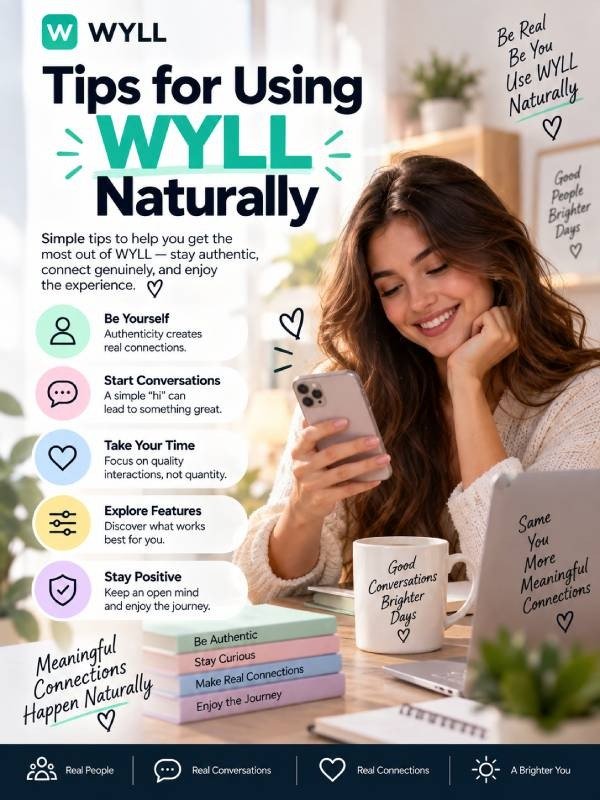
Tips for Using WYLL Naturally
- Save WYLL for casual conversations rather than formal messages. It fits best in relaxed, everyday texting situations.
- Match the tone of the person you’re talking to. A playful conversation calls for a lighter version of the question.
- Avoid asking too early if you’ve just started chatting. Give the conversation some time to build natural comfort.
- Pair it with a compliment to soften the question slightly. This often makes the exchange feel more genuine.
- Use emojis to clarify your tone when typing WYLL. A laughing or curious emoji adds helpful context.
- Don’t repeat the question if someone doesn’t answer right away. Give them space to respond whenever they’re comfortable.
- Offer your own photo first if you want to encourage sharing. Leading by example often makes others more comfortable.
- Keep the follow-up conversation light after receiving an answer. A simple compliment or thank-you keeps things natural.
- Avoid using WYLL in professional or unrelated conversations. It’s strictly casual slang, not formal texting language.
- Read the room before asking, especially with new contacts. Some conversations naturally aren’t the right fit for this question.
- Use it sparingly rather than repeatedly within the same chat. Overusing any slang term can feel unnatural quickly.
- Respect a “no” completely if someone declines to answer. Pushing further can damage an otherwise good conversation.
- Adjust your phrasing slightly depending on the platform you’re using. Snapchat and Discord conversations can feel slightly different in tone.
- Keep your own answer ready in case they ask you back. Mutual exchange usually feels more balanced and fair.
- Avoid pairing it with pressure-filled language or urgency. A relaxed tone keeps the question feeling harmless.
- Use humor if you’re unsure how the question will land. A lighthearted approach softens any potential awkwardness.
- Stay mindful of age-appropriate usage in every conversation. This slang isn’t suitable for every type of relationship.
- Reference the conversation naturally before asking the question. This makes the timing feel organic rather than sudden.
- Avoid using WYLL as a way to pressure someone into meeting. Keep the question separate from any bigger expectations.
- Be prepared for any type of response, including silence. Flexibility keeps the interaction feeling low-pressure overall.
- Use it authentically rather than just to sound trendy. Genuine curiosity always comes across better than forced slang.
- Pay attention to how the other person typically communicates. Matching their style helps the question feel more natural.
- Practice using it casually until it feels like a normal part of your texting style. Familiarity will make future conversations feel smoother.
Frequently Asked Questions
What does WYLL mean in texting?
WYLL most commonly means “What You Look Like,” a casual way to ask about someone’s appearance during a text conversation.
What does WYLL mean on Snapchat?
On Snapchat, WYLL is typically asked before two users exchange selfies or photos, especially with newer contacts.
Is WYLL flirting?
It can be flirty depending on context, but it’s just as often simple curiosity between new online friends.
What should I reply to WYLL?
Reply honestly if you’re comfortable, or redirect the conversation politely if you’d rather not share details yet.
Is WYLL safe?
Answering is safe with people you trust, but be cautious sharing photos or details with unfamiliar strangers online.
Can WYLL have another meaning?
Yes, some smaller groups use it to mean “Will You Love Life,” though this is far less common overall.
Is WYLL popular on TikTok?
Yes, it’s frequently used in TikTok comments and DMs, especially between viewers and content creators.
Is it rude to ignore WYLL?
No, ignoring or deflecting the question is completely acceptable if you’re not comfortable answering right away.
What’s the difference between WYLL and WYA?
WYLL asks about appearance, while WYA (“Where You At”) asks about someone’s current location.
Conclusion
WYLL is a simple, everyday abbreviation that mostly means “What You Look Like.” It shows up across Snapchat, TikTok, Instagram, Discord, and dating apps whenever curiosity kicks in.
How you respond is entirely up to you and your comfort level with the sender. There’s no wrong answer as long as you feel safe.
Now that you know what WYLL means and how to use it, you can text with confidence the next time it lands in your inbox.